Machine Learning · Computational Chemistry

Rahul Verma

Postdoctoral Researcher · NC State University

Developing machine learning interatomic potentials for reactive chemistry, bridging ab initio accuracy and large-scale molecular dynamics.

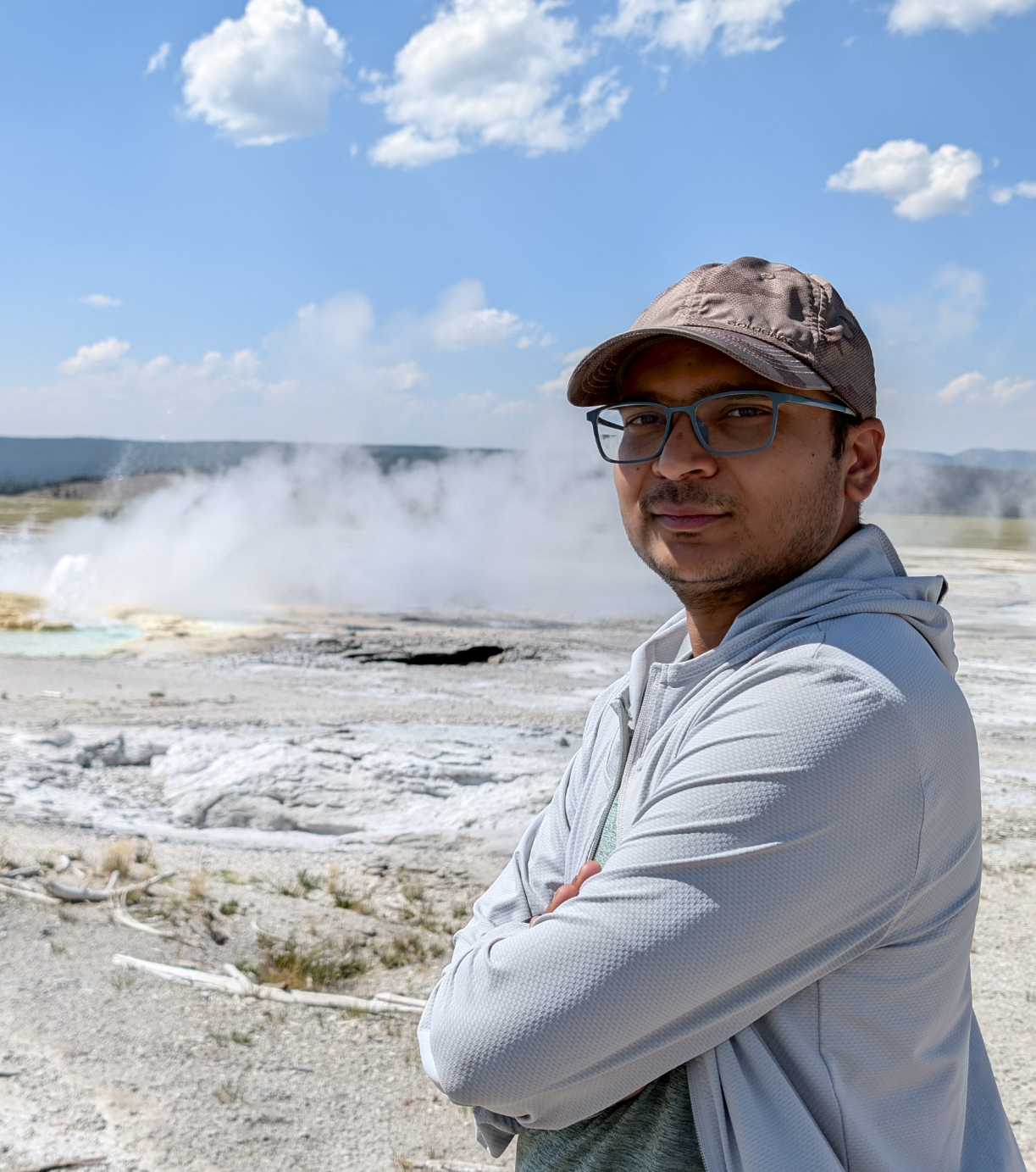
Portrait of Rahul Verma
About

Accelerating Molecular Simulations With Machine Learning

I'm Rahul, a postdoctoral researcher in theoretical and computational chemistry at NC State University, where I work in the Pfaendtner Research Group. My research applies machine learning to make molecular simulations faster, more reliable, and easier to use for studying complex chemical processes. I lead the development of SPARC (Smart Potential with Atomistic Rare Events and Continuous Learning), an open-source Python toolkit for training interatomic potentials.

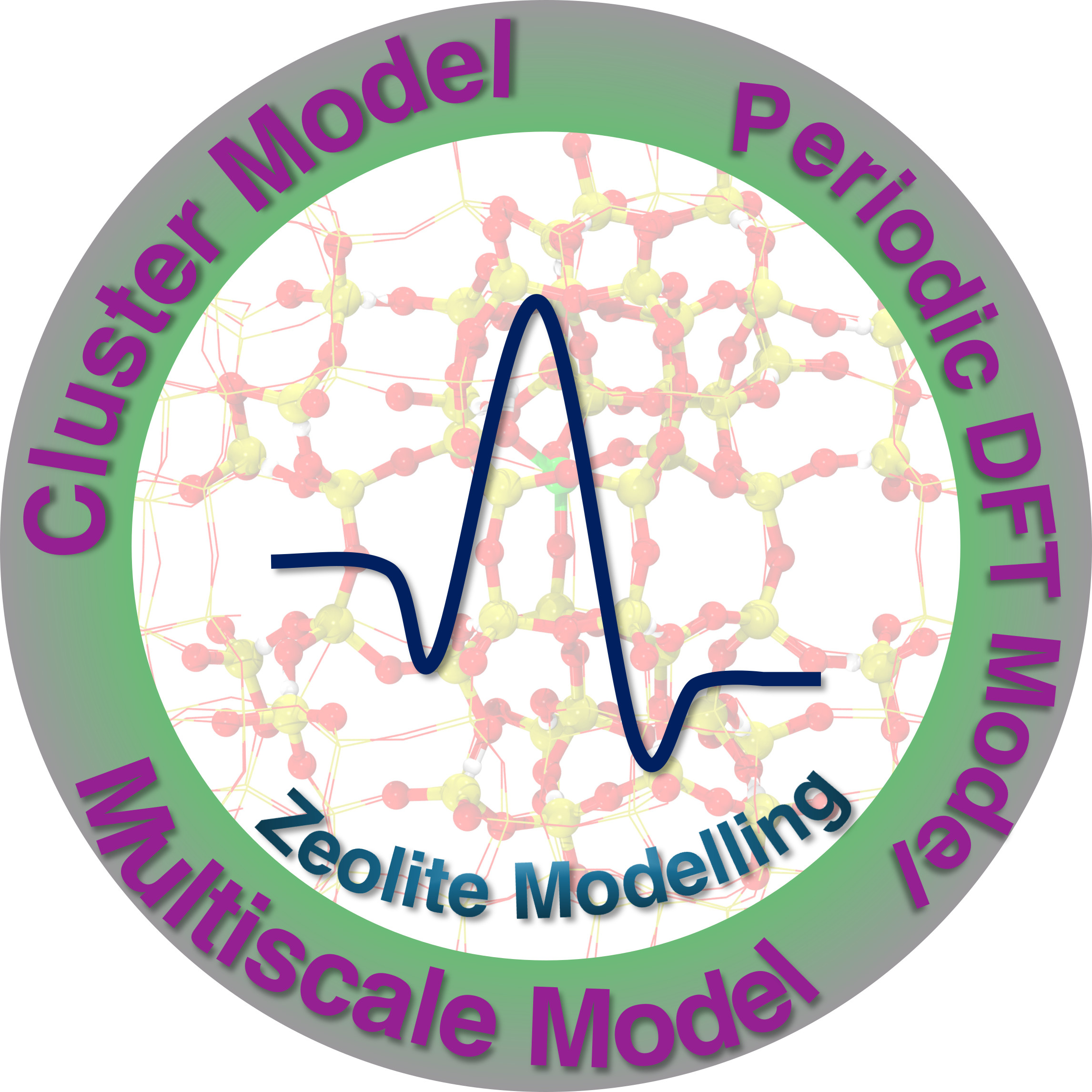
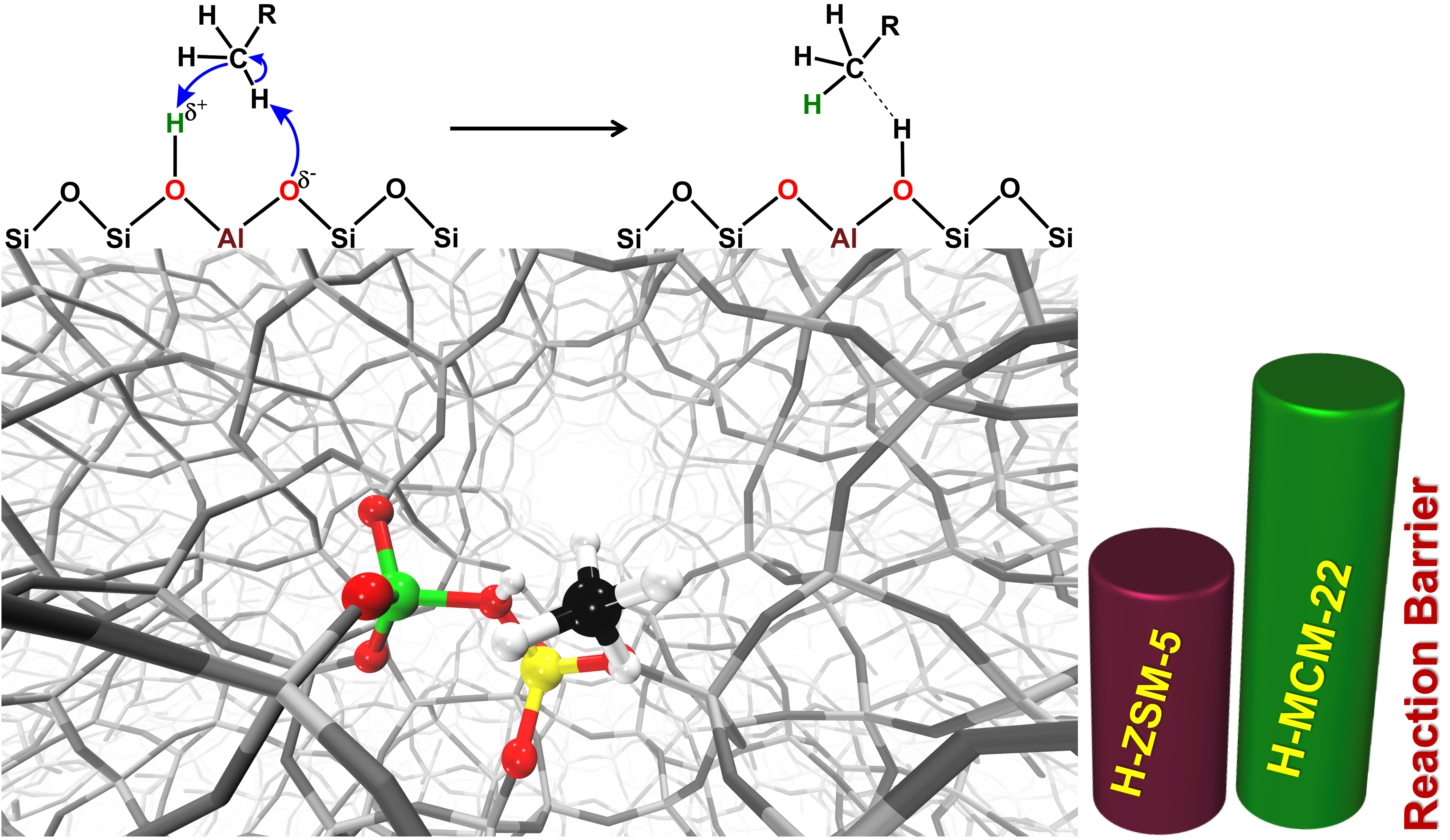
I completed my PhD in chemistry at the Prof. Nisanth Nair Lab (IIT Kanpur), where I worked on the applications of QM/MM techniques to model reactions in zeolites. Outside research, I enjoy playing badminton and watching movies.

Research Interests

  • Machine Learning
  • ML Potentials
  • Ab initio MD & Hybrid QM/MM
  • Heterogeneous Catalysis
  • Molecular Simulation
  • Enhanced Sampling

Education

PhD in Chemistry

Indian Institute of Technology Kanpur, India

MSc in Chemistry

CSJM University, Kanpur, India

BSc in Chemistry

CSJM University, Kanpur, India

Publications

Research highlights

Expertise

Skills & tools

Languages and tools reflected across my GitHub repositories, including SPARC, DeePMD/LAMMPS build workflows, and enhanced-sampling analysis codes.

Programming highlights

Reweighing-TASS-1.2

Fortran Bash Python

Modular Fortran code I wrote to reweight Temperature Accelerated Sliced Sampling (TASS) output from CPMD/PLUMED runs. Computes multidimensional free energy surfaces via WHAM reweighting or the mean force method, with B-spline interpolation support.

Python package to center molecular structures within periodic boundary conditions and convert XYZ trajectories into VASP (POSCAR) or Quantum ESPRESSO input files via the xyzcenter and xyzconverter CLI tools.

Installable Python package (LJengo) for Lennard-Jones molecular dynamics with NVE and NVT ensembles, including force calculations, trajectory propagation, and energy plotting utilities.

Methods & Expertise

Machine Learning Potentials AIMD DFT Active Learning QM/MM Enhanced Sampling Heterogeneous Catalysis

Languages & Core Tools

Python Fortran Bash Git LaTeX MPI

Simulation & ML Software

ASE DeePMD-kit LAMMPS NequIP CPMD VASP Quantum ESPRESSO PLUMED GROMACS

Machine learning interatomic potentials (MLIPs)

NequIP-MLP

Jupyter Python NequIP

Tutorial for training a NequIP machine learning potential on a 22-water cluster in a periodic box. Covers data generation with Quantum ESPRESSO, model training, and LAMMPS-based molecular dynamics.

Workflow: 00.data → 01.train → 02.lmp

DeePMD-MLP

Jupyter Python DeePMD-kit

DeepModeling-style tutorial for building a DeePMD potential and exploring the 1,3-butadiene cyclization mechanism. Uses VASP-generated training data, DeePMD-kit training, LAMMPS MD, and PLUMED enhanced sampling.

Workflow: 00.data → 01.train → 02.lmp → 03.plumed

Recognition

Achievements

2016

AIR-42 in Joint CSIR-UGC Exam (Chemical Sciences)

All India Rank 42 among national research fellowship candidates.

2016 – 2018

Junior Research Fellow

Funded doctoral research in computational chemistry.

2018 – 2021

Senior Research Fellow

Continued fellowship support through PhD candidacy.

Presentations

Conferences & workshops

2026

CECAM 2026

Cornell Tech, New York

2025

LAMMPS 2025

Albuquerque, New Mexico

2024

FOMMS 2024

Utah, USA

2021

TCS 2021

IISER Kolkata

2021

RARE-21

IIT Kanpur

2019

APATCC-9

University of Sydney

2019

ML for Science

IIIT Hyderabad

2019

CRSI National Symposium in Chemistry

2019

Workshop FECCBS-2019

IIT Kanpur

2017

APCTCC-8

IIT Bombay